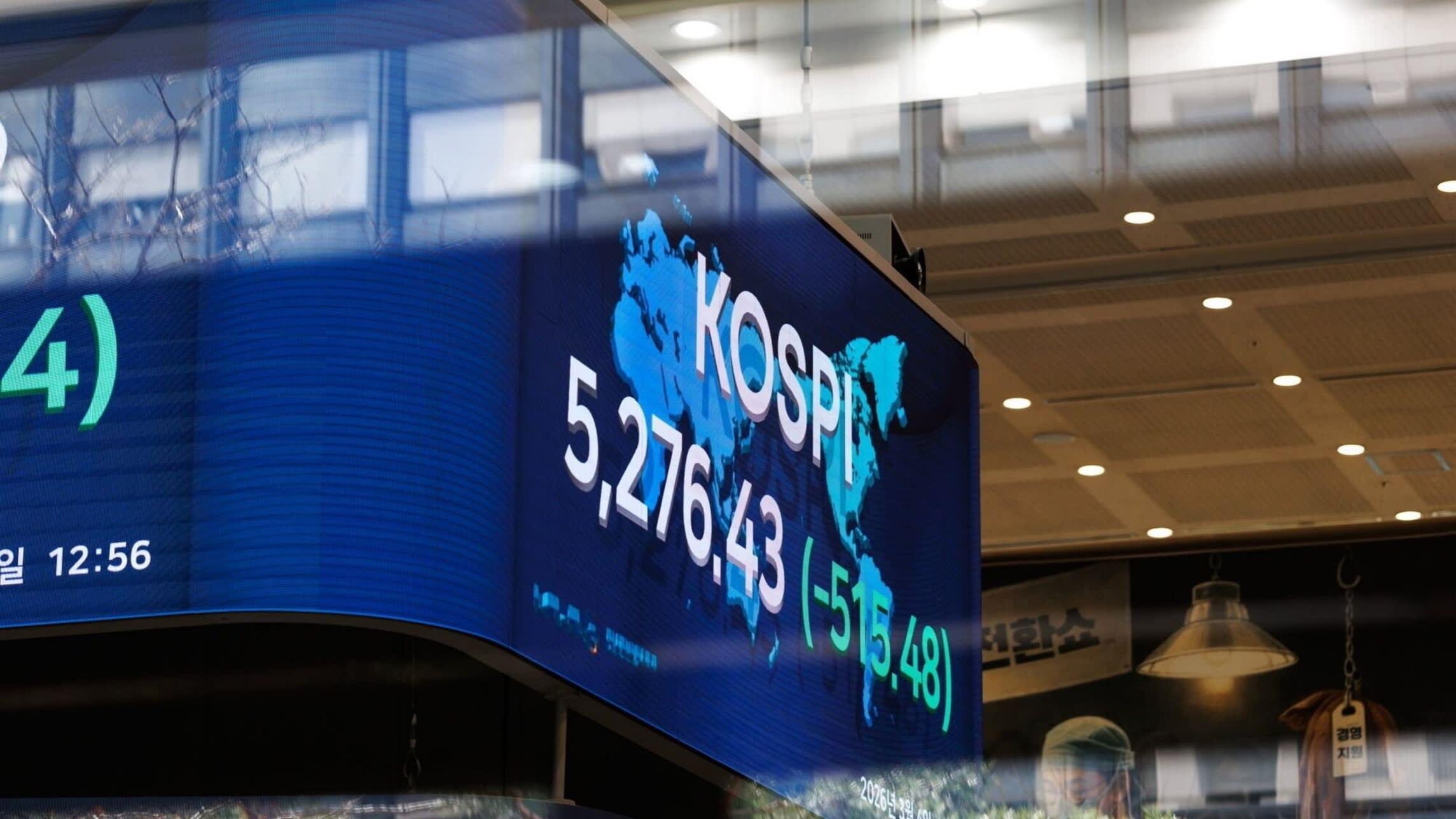
South Korea Stocks Crash: Kospi Plunges 12% in Historic Sell-Off
The financial world reeled as the South Korean stock market experienced a dramatic downturn, with the benchmark Kospi index suffering its worst single-day decline in history. This unprecedented event saw the Kospi plummet by 12.1% to close at 5,093.54, extending significant losses from the preceding session. The sheer speed and scale of the sell-off triggered an immediate temporary halt to trading by the Korea Exchange, a stark indicator of the market panic unfolding. Concurrently, the tech-heavy Kosdaq index also faced a circuit breaker, ultimately finishing the day down a staggering 14% at 978.44. This **stocks crash South Korea** sent ripples of concern across global markets, prompting investors to scrutinize the underlying vulnerabilities of one of Asia's most dynamic economies.
A Historic Plunge: Unpacking South Korea's Market Turmoil
The recent crash marks a stark reversal of fortune for South Korean equities. Just last year, in 2025, the Kospi had been a beacon of bullish sentiment, surging more than 75%. This remarkable rally was largely propelled by a global boom in semiconductor companies, driven by insatiable demand for memory chips essential to the burgeoning artificial intelligence (AI) data center industry. Major tech players like Samsung Electronics and SK Hynix led the charge, pushing the index to fresh highs well into the new year.
However, the very strength that fueled this ascent now appears to be a significant contributor to its dramatic fall. The concentration of the Kospi index in a handful of major tech stocks created an inherent fragility. On the day of the crash, the titans of South Korean industry felt the brunt: Samsung Electronics saw its stock price drop by nearly 12%, while SK Hynix wasn't far behind, falling approximately 10%. This concentrated downturn in heavyweight tech stocks effectively dragged the broader market sharply lower, showcasing the magnified impact when leading sectors face headwinds.
Behind the Sell-Off: Key Factors Driving the South Korea Stocks Crash
Understanding the intricate web of factors that culminated in this historic **stocks crash South Korea** requires a look at both internal market structures and external geopolitical and economic pressures.
The Double-Edged Sword of Tech Concentration
One of the most frequently cited reasons for the severity of the Kospi's decline is its heavy reliance on a few dominant companies, particularly in the semiconductor sector. According to Lorraine Tan, Asia director of equity research at Morningstar, Samsung Electronics and SK Hynix collectively constitute nearly 50% of the entire Kospi index. This extraordinary concentration means that any significant movement, positive or negative, in these two companies can disproportionately impact the overall market performance.
While this structure amplified gains during the AI and semiconductor boom, it simultaneously amplified losses when investor sentiment soured. Part of the recent decline, Tan suggests, can be attributed to natural profit-taking after an extended and aggressive rally. Furthermore, growing concerns about the sustainability of the rapid expansion of AI data centers have started to emerge. These next-generation facilities are notoriously energy-intensive, and the sheer scale of their power requirements is prompting questions about potential infrastructure bottlenecks and higher operating costs, casting a shadow over future growth projections for memory chip demand.
Geopolitical Headwinds and Soaring Oil Prices
Beyond market-specific dynamics, broader geopolitical tensions played a crucial role. Escalating conflict in the Middle East has led to a significant spike in global oil prices, a factor that profoundly impacts South Korea's economy. As a major importer of crude oil, South Korea's manufacturing-heavy and export-oriented economy is particularly vulnerable to energy cost fluctuations. When crude prices surge, industrial companies face increased operational costs, putting pressure on profit margins and making exports less competitive.
Daniel Yoo, a global market strategist at Yuanta Securities, highlights South Korea's specific sensitivity to oil price swings, making geopolitical instability a primary driver of short-term volatility. Nomura data underscores this vulnerability, noting that South Korea's net oil imports equate to roughly 2.7% of its GDP. This dependence means that external energy shocks can quickly translate into domestic economic strain and, subsequently, stock market instability. The global "risk-off" mood, partly fueled by these geopolitical uncertainties and inflationary concerns, compounded investor anxieties, leading to a widespread retreat from riskier assets. To gain a deeper understanding of these interconnected issues, explore
Why South Korea's Kospi Tumbled: Oil, AI & Tech Concentration.
Navigating Volatility: Implications and Investor Outlook
For investors, the recent **stocks crash South Korea** offers a critical lesson in market dynamics and risk management. While the plunge was dramatic, many experts view it primarily as a market correction following an extended period of extraordinary gains, rather than a fundamental shift in the long-term economic outlook.
Daniel Yoo, for instance, suggests that if oil prices can stabilize, the South Korean market has the potential to regain its footing. This perspective underscores the importance of distinguishing between short-term volatility driven by external shocks and longer-term structural issues.
Practical Tips for Investors During Market Volatility:
- Maintain a Long-Term Perspective: Panic selling often locks in losses. History shows that resilient markets tend to recover over time.
- Diversify Your Portfolio: Heavy concentration in a single sector, even a high-growth one like tech, amplifies risk. Spreading investments across different industries and asset classes can cushion the blow during downturns.
- Reassess Your Risk Tolerance: Market crashes are stress tests. Use them to understand your true comfort level with risk and adjust your investment strategy accordingly.
- Focus on Fundamentals: Look beyond daily price swings and evaluate the underlying health of companies. Strong balance sheets, good management, and sustainable business models are crucial during uncertain times.
- Consider Dollar-Cost Averaging: Investing a fixed amount regularly, regardless of market highs or lows, can help average out your purchase price over time and reduce the risk of buying solely at peaks.
- Stay Informed, Not Obsessed: Keep abreast of major economic and geopolitical news but avoid constant monitoring that can lead to impulsive decisions.
Lessons Learned and Future Outlook for South Korea's Market
The recent market turbulence serves as a powerful reminder of the inherent sensitivities within highly concentrated markets and economies dependent on specific global commodities. South Korea's experience highlights the challenges faced by nations at the forefront of technological innovation when that innovation is concentrated and subject to global supply chain and geopolitical pressures.
Moving forward, the South Korean market will likely focus on strategies to mitigate these vulnerabilities. This could involve efforts to diversify the economic base beyond semiconductors, enhance energy security, and foster growth in emerging industries. For investors, understanding these broader macroeconomic shifts will be key. While the immediate shock of the Kospi's plunge was significant, the underlying strength of South Korea's innovation ecosystem and its role in global technology supply chains suggest potential for recovery, provided external pressures like oil price volatility can abate. For more on the deeper causes, check out
Beyond the Plunge: What Caused South Korea's Market Correction?
In conclusion, the **stocks crash South Korea** witnessed with the Kospi's historic 12% plunge was a dramatic manifestation of both internal market concentration and external geopolitical and energy market pressures. While undoubtedly a painful event for many investors, experts largely view it as a significant market correction after an extraordinary rally. As global oil prices stabilize and concerns around AI data center energy consumption are addressed, the resilient South Korean market, bolstered by its technological prowess, may well find its footing once again, albeit with renewed lessons about risk and diversification.